











LeoVegas Casino review
| Key Feature | Mobile-first platform with native iOS and Android apps |
| Welcome Bonus | Up to €1,000 + 200 free spins on Book of Dead |
| Min. Deposit | €10 to qualify for the welcome offer |
| Number of Games | Over 3,000 slots and table games |
| Game Providers | Evolution, Pragmatic Play, Playtech, OnAir, Stakelogic, Authentic Gaming |
| Payment Methods | Visa, Mastercard, Apple Pay, PayPal, bank transfer |
| Payment Services | PayPal, Apple Pay, Trustly (check cashier) |
| Mobile App | iOS and Android apps plus mobile browser |
| VIP Programme | Invitation-based VIP; terms not published |
| RTP | Approximately 94-97% on most slots, varies by title |
| Licence | Malta Gaming Authority, MGA/CRP/237/2013 |
| Operator | LeoVegas Gaming plc (MGM Resorts subsidiary) |
| Launch Date | Founded 2011, launched 2012 |
| Legal Age | 18+ |
- Malta Gaming Authority licence MGA/CRP/237/2013 is printed on the Irish site's own pages
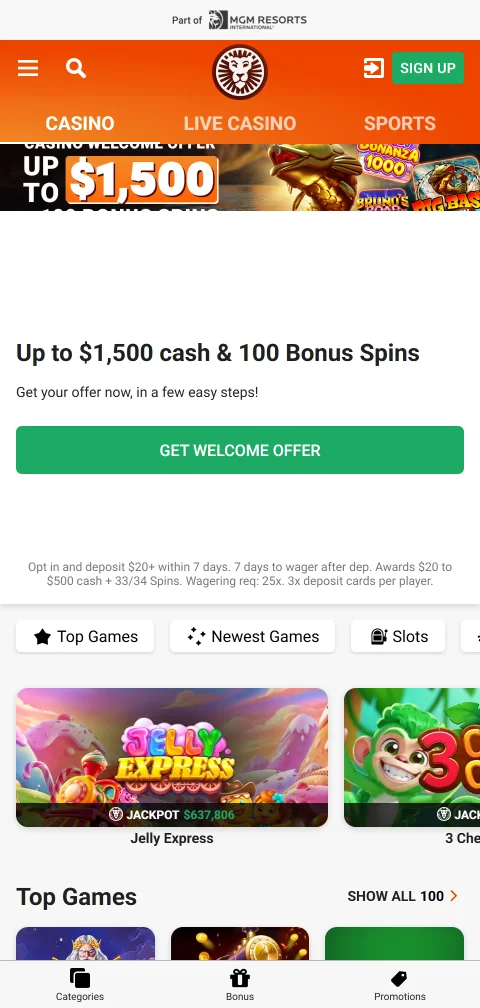
- Welcome offer needs only a €10 deposit, with 25x wagering on the cash part
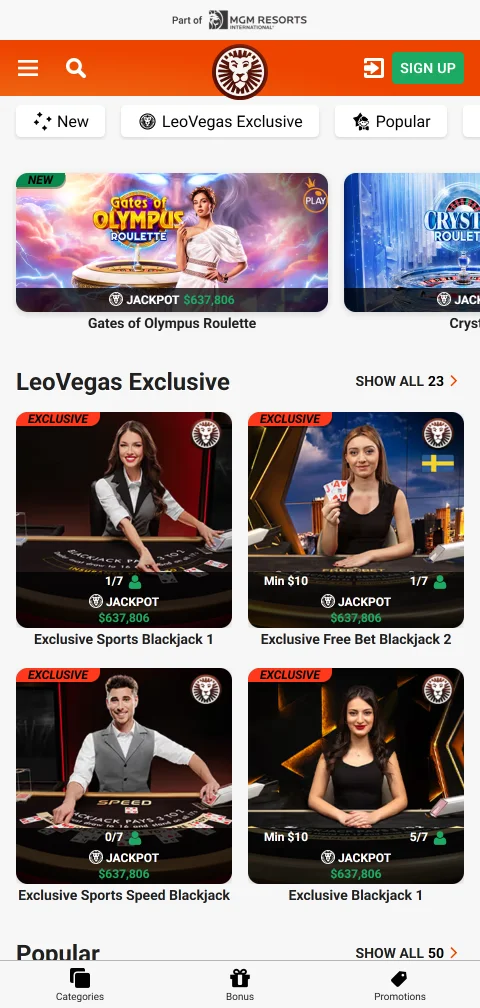
- Live casino lists over 600 tables from Evolution, Playtech and Pragmatic Play Live
- Native apps on iOS and Android, and a mobile browser site that stands on its own
- Owned by MGM Resorts International since 2022, with a corporate record going back to 2011
- Irish pages state the welcome wagering as both 25x and 35x, so read the live terms
- No telephone support line; contact runs through live chat and email only
- Withdrawals can take up to five business days depending on the payment method
- No Irish GRAI casino licence yet, as online gaming licensing is phased into 2027-2028
Licensed by the Malta Gaming Authority under MGA/CRP/237/2013 since 2018, with MGM Resorts as parent, as set out in our LeoVegas Casino licence review.
Casumo Casino review
| Key Feature | Gamified Casumo platform with 5,600+ games |
| Welcome Bonus | 100% up to €300 + 50 bonus spins |
| Min. Deposit | Around €10; €20 for the welcome bonus |
| Number of Games | 5,600+ (5,100+ slots) |
| Game Providers | Pragmatic Play, Play'n GO, Evolution, Playtech, Relax Gaming |
| Payment Methods | Visa, Mastercard, Trustly, Skrill, Neteller, Paysafecard |
| Payment Services | Cards, e-wallets, instant banking via Trustly |
| Mobile App | iOS and Android apps plus mobile browser |
| VIP Programme | Loyalty rewards; terms set by the operator |
| RTP | Approximately 96% average on slots |
| Licence | Malta Gaming Authority, MGA/CRP/217/2012-05 |
| Operator | Casumo Services Limited, Malta |
| Launch Date | 2012 |
| Legal Age | 18+ |
- Malta Gaming Authority licence MGA/CRP/217/2012-05, verifiable on the regulator's public register
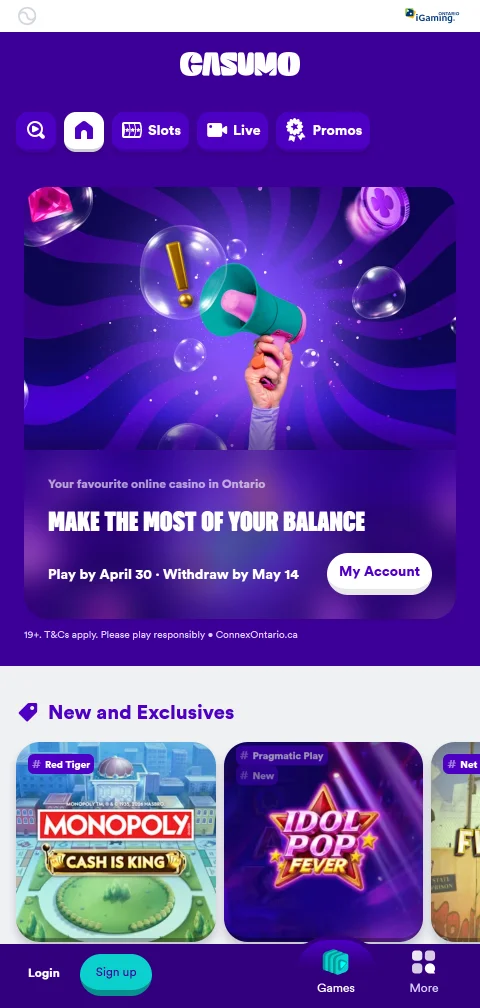
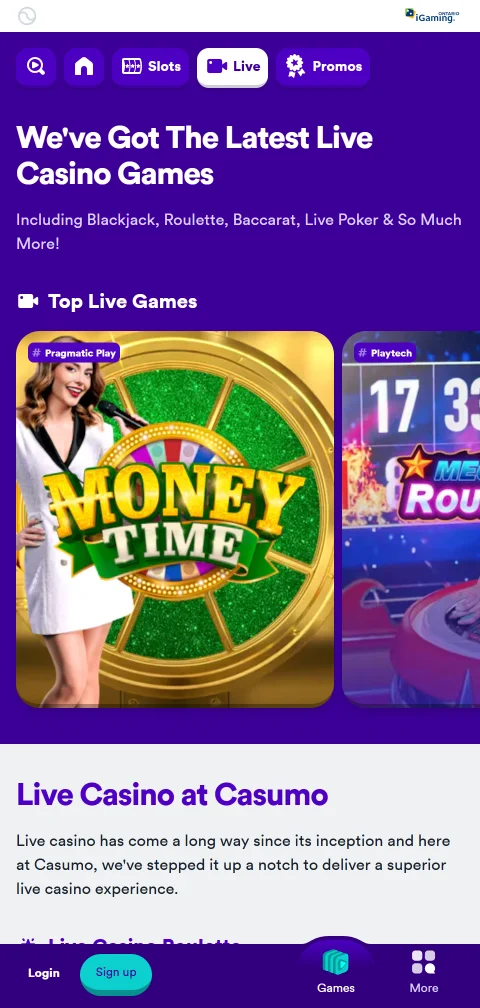
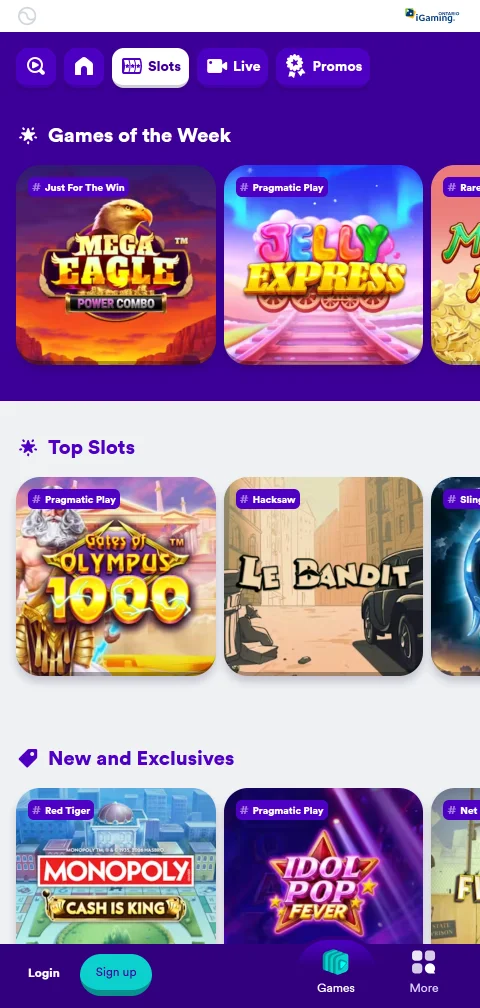
- Over 5,600 games, with Pragmatic Play, Play'n GO and Evolution among the studios
- Welcome offer capped at €5 per spin, a clear and checkable limit
- 30x wagering on the welcome bonus is heavier than some rivals' 10x deals
- Withdrawal approval can take up to three days before the payment rail even starts
Licence MGA/CRP/217/2012-05, held by Casumo Services Limited since 2012 and listed as active by the Malta Gaming Authority, with eCOGRA for disputes, is read in our Casumo Casino licence review.
Mr Green Casino review
| Key Feature | MGA-licenced since 2018 renewal, 90-day bonus window |
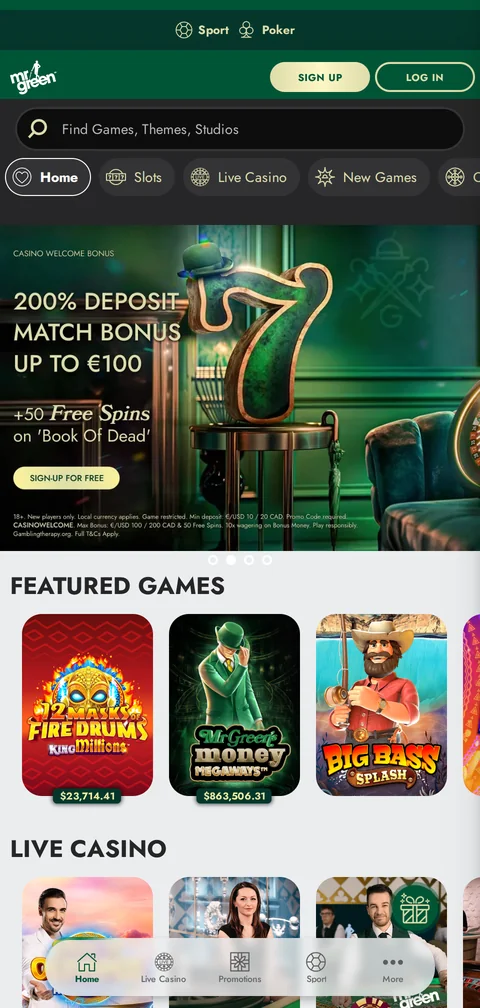
| Welcome Bonus | 100% up to approx. €430 + 200 free spins |
| Min. Deposit | Approx. €9 (stated as $10) |
| Number of Games | Approximately 2,000 |
| Game Providers | NetEnt, Evolution, IGT, Quickspin, Yggdrasil |
| Payment Methods | Visa, Mastercard, Apple Pay, bank wire |
| Payment Services | PayPal, Skrill, NETELLER, MuchBetter, Trustly |
| Mobile App | Mobile browser site; native app not confirmed |
| VIP Programme | Not published for this market |
| RTP | Approximately 96% on typical slots |
| Licence | Malta Gaming Authority, MGA/CRP/121/2006 |
| Operator | Mr Green Limited (Malta, C43260) |
| Launch Date | Founded 2007, launched 2008 |
| Legal Age | 18+ |
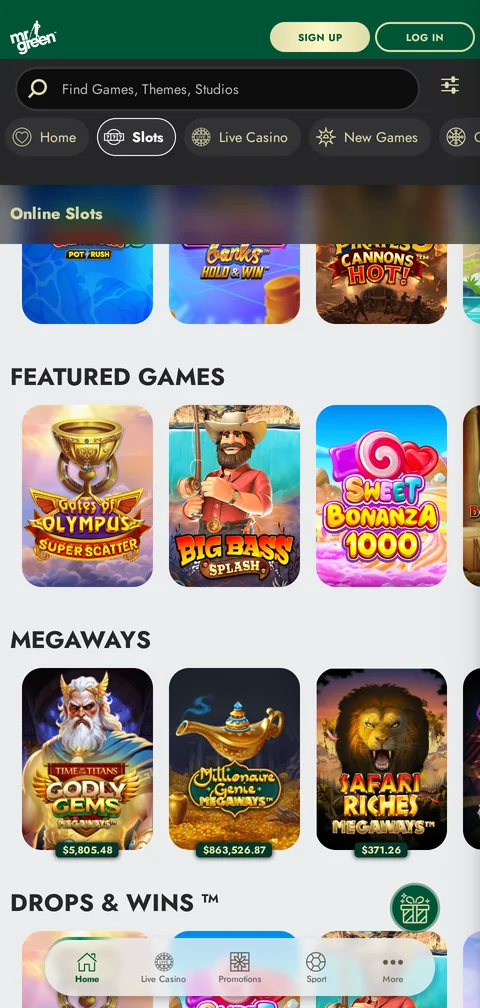
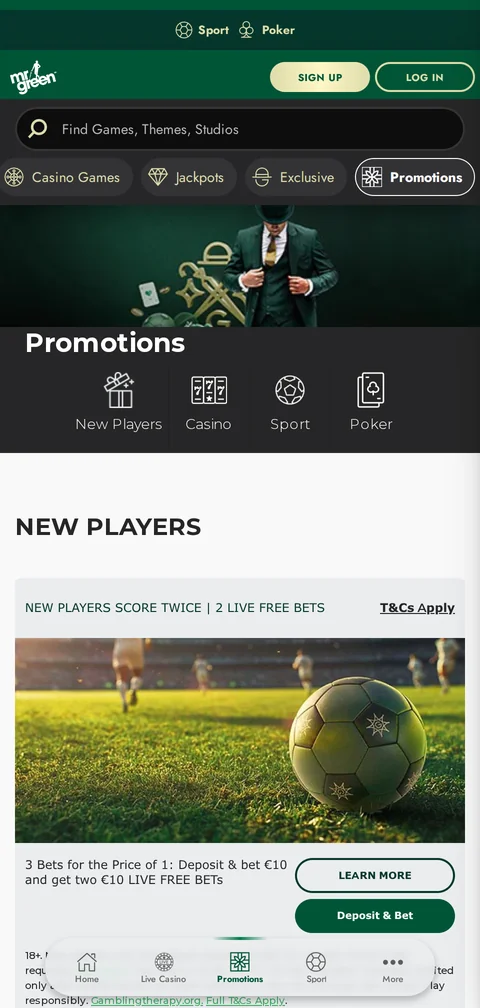
- MGA licence number and validity to March 2028 printed in every site footer
- Wagering contribution table published openly: slots 100%, live blackjack 10%, tables 5%
- Low €4 minimum withdrawal across every cashier method listed
- Bonus money and spin winnings both get a full 90 days to clear
- Irish availability unconfirmed; one Irish review site lists the brand as no longer operating here
- Card withdrawals listed at up to 8 days, slower than most e-wallet-led rivals
- No Irish casino licence exists yet, so complaints go to Malta rather than the GRAI
Malta Gaming Authority licence MGA/CRP/121/2006, valid to March 2028, and Irish availability left unconfirmed in our Mr Green Casino review.
PlayOJO Casino review
| Key Feature | No-wagering bonuses and OJOplus money back on every bet |
| Welcome Bonus | 50 wager-free spins on Book of Dead, €10 minimum deposit |
| Min. Deposit | €10 |
| Number of Games | 4,000+ (operator also cites over 7,000) |
| Game Providers | Evolution, Pragmatic Play, Play'n GO, NetEnt, Nolimit City, Relax Gaming |
| Payment Methods | Visa Debit, Mastercard Debit, Apple Pay, Instant Bank, Trustly |
| Payment Services | PayPal, Skrill, Neteller, MuchBetter |
| Mobile App | Mobile browser site; native apps not confirmed for Ireland |
| VIP Programme | OJO Levels with Kickers, OJO Wheel and Prize Twister |
| RTP | Varies by game; approximately 94-97% on mainstream slots |
| Licence | Malta Gaming Authority, MGA/CRP/171/2009/01 |
| Operator | Skill On Net Limited, Ta' Xbiex, Malta |
| Launch Date | 2017 |
| Legal Age | 18+ |
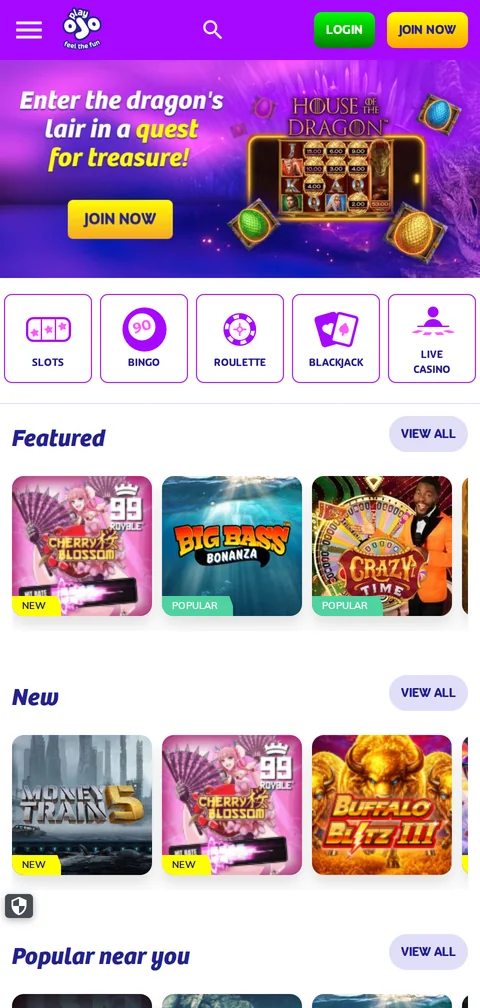
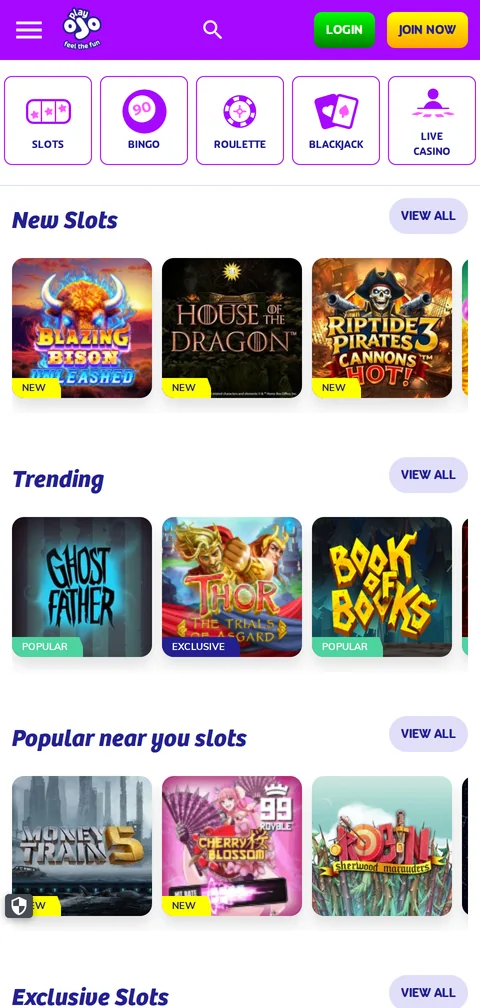
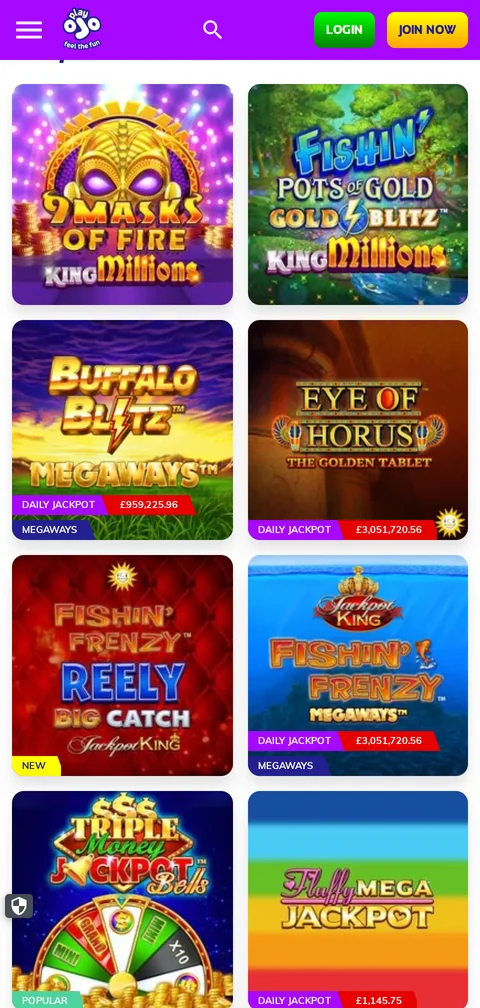
- Welcome free spins carry no wagering, so winnings are paid as withdrawable cash.
- OJOplus returns a small cash percentage on every real-money bet, win or lose.
- No minimum withdrawal on Visa, Mastercard, Apple Pay and Instant Bank payments.
- No telephone support, and the welcome offer is small next to match-bonus rivals.
- Irish GRAI licence still pending; the Irish site currently relies on its Maltese licence.
Run by Skill On Net Limited under Malta Gaming Authority licence MGA/CRP/171/2009/01, with eCOGRA for disputes, as set out in our PlayOJO Casino licence review.
Rizk Casino review
| Key Feature | Wheel of Rizk loyalty rewards |
| Welcome Bonus | 100% up to €100 plus free spins |
| Min. Deposit | Typically €10 |
| Number of Games | Around 2,500 |
| Game Providers | NetEnt, Evolution, Play'n GO, Pragmatic Play, Red Tiger |
| Payment Methods | Visa, Mastercard, Trustly, bank transfer |
| Payment Services | Skrill, Neteller, MuchBetter, Paysafecard |
| Mobile App | iOS and Android apps, plus mobile browser |
| VIP Programme | Captain Rizk levels and Wheel of Rizk |
| RTP | Approximately 96% on slots, varies by title |
| Licence | MGA sub-licence MGA/CRP/1117/2025/02 |
| Operator | Zecure Gaming Ltd (C 69036), Betsson Group |
| Launch Date | 2016 |
| Legal Age | 18+ |
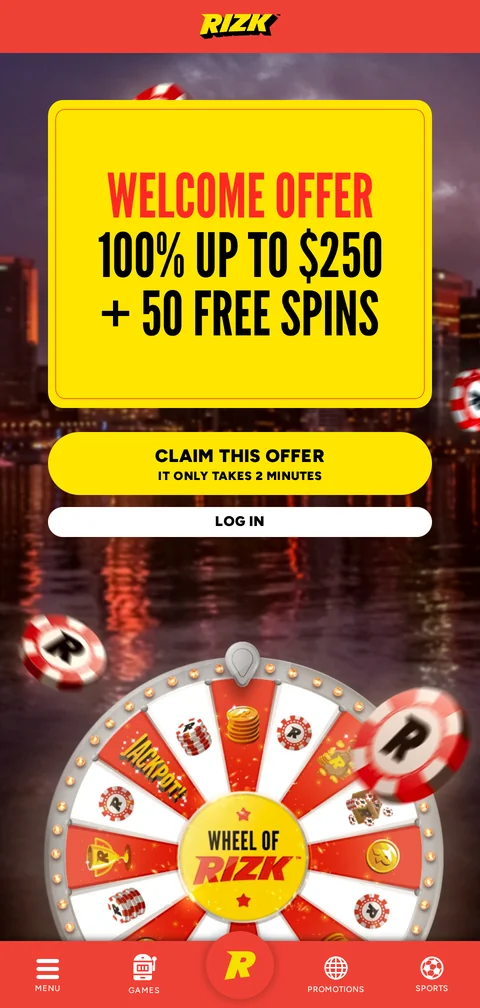
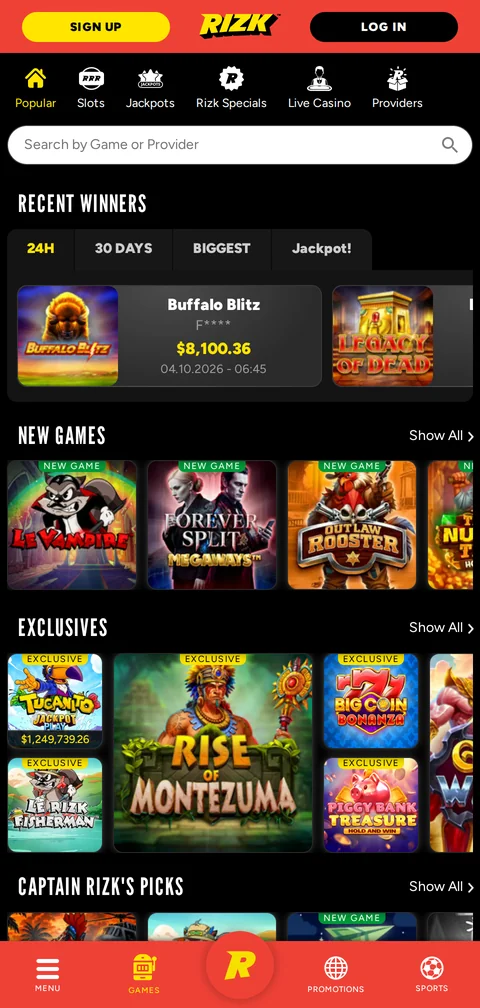
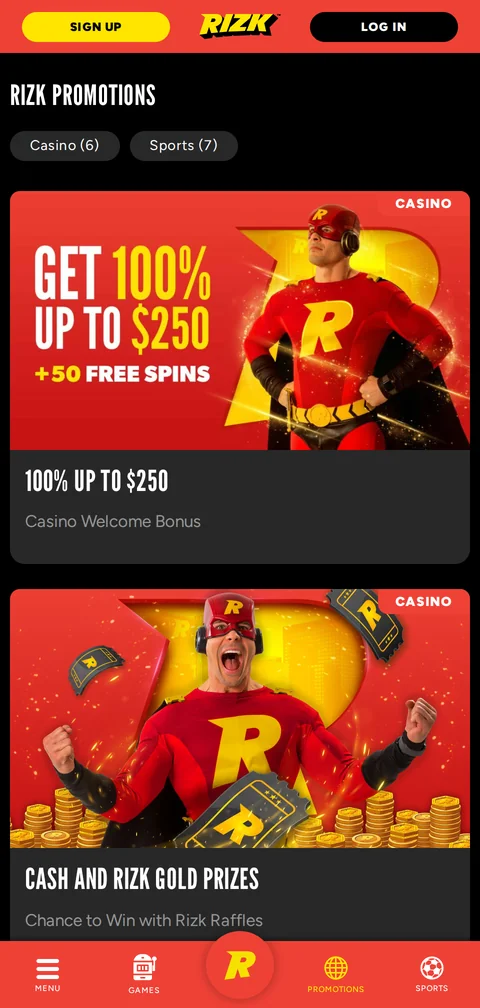
- Malta Gaming Authority sub-licence, with the number printed in the operator's footer
- Stated withdrawal processing window of up to 3 hours once KYC is cleared
- Around 2,500 titles, with live tables from Evolution and slots from NetEnt and Play'n GO
- Fee-free cashier with Trustly, Skrill and Neteller alongside debit cards
- Current terms list Ireland among the jurisdictions refused for new account registration
- Welcome bonus carries wagering of around 40x and excludes Skrill and Neteller deposits
- No phone line; support runs on live chat, email and a callback request
Zecure Gaming Ltd runs Rizk under Malta Gaming Authority sub-licence MGA/CRP/1117/2025/02, while its terms refuse new Irish accounts, as our Rizk Casino licence review explains.
How the MGA casinos on this page were ranked
The ranking is built from what each operator publishes and what the MGA register confirms: licence status, terms, payment rules and complaint routes. Commission paid to this site does not move a placing, and neither does the size of a headline bonus taken on its own.
Bonuses and the terms behind them
Wagering at or below 35x on bonus funds, a stated maximum bet and a time limit of at least 30 days raise a placing. Wagering applied to deposit plus bonus, or a winnings cap hidden outside the main terms page, lowers one regardless of the headline figure.
Withdrawals, KYC and payout windows
A published withdrawal window of 24 to 48 hours after verification, with KYC documents requested at registration or first withdrawal and named in the terms, raises a placing. Source-of-funds requests are lawful under anti-money-laundering rules, but an operator that lists no thresholds, charges withdrawal fees or holds pending payouts for longer than five working days loses ground. Debit card, bank transfer and e-wallet options with euro accounts are expected, and an operator still taking credit cards from Irish customers is marked down.
Games and certified software
Games from studios that hold their own MGA supplier licence or published testing certificates raise a placing. RTP figures visible inside each game, rather than missing or quoted only as a range, count in the operator’s favour.
Mobile access and account tools
A mobile site or app that gives the same access to deposit limits, account closure and the complaints page as the desktop version raises a placing. Responsible gambling settings that disappear on mobile, or a closure option buried behind a chat request, lower one.
Licence details on the MGA register
This criterion carries the most weight on this page. A B2C licence number printed in the footer that matches an active entry on the MGA register, under the same company name shown in the terms, raises a placing. A licence listed as suspended, a mismatch between the trading company and the licensee, or a seal that links nowhere removes the casino from the list rather than lowering it. Holding a second licence, from Curaçao for example, is noted but adds nothing.
Support and the complaints route
Support reachable by live chat and email in English, with a written complaints procedure that names the operator’s ADR body and the MGA Player Support Unit, raises a placing. A complaints page that names neither, or that sets no reply deadline, lowers one.

What an MGA licence is and who issues it
The Malta Gaming Authority is the regulator set up under Malta’s Gaming Act (Chapter 583 of the Laws of Malta), and it grants the licences that a large share of the online casinos reaching Irish players operate under. When a casino says it is licensed and regulated, the first thing to establish is by whom, because the word means very little until a regulator is named beside it.
An MGA licence for a casino open to the public is a B2C licence, and its reference usually follows the pattern MGA/B2C/ followed by a number and a year. That number is what you should look for in the footer, and it is what the register is searched by.
The licence binds the operator to Maltese rules on player funds, anti-money-laundering checks, game certification and complaint handling. It does not bind the operator to Irish law in the way an Irish licence would, and that gap is the subject of most of this page.
Malta is a member state of the European Union, which is the main reason many readers trust an MGA seal more than one from Curaçao or Kahnawake. The trust is partly earned: the MGA publishes its register, accepts complaints from any individual through its Player Support Unit, and can fine or suspend a licensee. It is partly misplaced, because EU membership does not mean that an MGA licence is recognised as permission to offer gambling in Ireland, and the Irish regulator does not treat it as such.
A licence is a set of obligations, not a guarantee of any outcome.
MGA licence versus Irish GRAI licence
Ireland now has its own regulator, the Gambling Regulatory Authority of Ireland, formally established after the first commencement order under the Gambling Regulation Act 2024 was signed on 4 March 2025. A second order, S.I. No. 31/2026, came into effect on 5 February 2026 and allowed the GRAI to accept applications and issue betting licences, and the first remote betting licences commenced on 1 July 2026.
Online casino games are a separate licence category under the Act, and the GRAI has said that gaming, lottery, B2B and charitable licences will open in phases through 2027 and 2028. No commencement order for remote gaming licences had been found when this page was checked, so until such an order is made and the GRAI begins granting gaming licences, there is no Irish online casino licence for an MGA operator to hold alongside its Maltese one.
That has a practical consequence for the protections people assume they have. The obligations the GRAI announced for its licensees, including the ban on accepting credit cards and on facilitating credit, age verification and closing accounts on request, apply to holders of GRAI licences. An MGA casino follows Maltese rules on those points, which overlap in places and differ in others.
The comparison below sets the two side by side on the points readers ask about most.
MGA B2C licence | GRAI licence (Ireland) |
|---|---|
| Licence available for online casino games today | No gaming licence granted yet; phased for 2027-2028 |
| Public register searchable by licence number | Register of licensed operators maintained by the GRAI |
| Credit card rules set by Maltese and card-scheme policy | Ban on accepting credit cards for every GRAI licensee |
| Complaints accepted by the MGA Player Support Unit | Complaints functions commenced on 5 February 2026 |
| Enforced in Malta under the Gaming Act | Enforced in Ireland, fines up to €20 million |
| Operator's ADR body handles money disputes | Irish regulator with powers over Irish market |
What Malta's rules protect, and what they leave out
Under its MGA licence, an operator has to keep player funds separate from its operating money, run its games on certified systems, apply anti-money-laundering checks, offer responsible gambling tools and maintain a complaints procedure with an alternative dispute resolution body behind it. Those are real obligations, and an MGA licensee that ignores them can be fined, suspended or have its licence cancelled.
What the licence does not do is put an Irish court or the GRAI between you and the operator in the way an Irish licence would. A dispute about a withheld payout runs first through the operator, then through its named ADR body, and the MGA can act on regulatory breaches but does not act as a small-claims court for individual sums.
The 2023 change to Maltese law
In 2023 Malta amended its Gaming Act with a provision, widely referred to as Bill 55, that allows Maltese courts to refuse to recognise foreign judgments against MGA licensees where the conduct was lawful under the Maltese licence. The provision was aimed at claims brought in other EU states, Germany and Austria above all, and it has been the subject of a complaint to the European Commission and of references in the courts. For a reader in Ireland the point is narrow but important: winning a case at home against a Maltese operator and collecting on it in Malta are two different things.
A foreign licence protects you on its own terms, and those terms were written in Malta.
KYC and source-of-funds checks at MGA casinos
Most complaints about MGA casinos that reach this desk are not about games but about withdrawals held for verification. MGA licensees are bound by Malta’s anti-money-laundering framework, which means identity checks before a payout and, above certain activity levels, questions about where the money came from.
A standard KYC request asks for photo identification, a proof of address dated within the last three months and proof that the payment method is yours, such as a card photo with the middle digits covered or a bank statement. A source-of-funds request goes further and may ask for payslips, a bank statement covering several months or evidence of savings or an inheritance.
Neither request is a sign of bad faith, and an operator that skipped them would be breaking its licence conditions. The test is whether the terms say in advance what can be asked for and when, and whether the operator keeps to its own stated processing window once the documents are in. Verifying your account before the first deposit, rather than after a win, removes most of the delay readers describe.
Where a request seems out of proportion to the sums involved, ask in writing which rule it is made under and keep the reply; that exchange is the evidence an ADR body will want to see later.
How to check an MGA licence yourself
The seal at the bottom of a casino page is an image, and an image can be copied by anyone. The register is the record, and checking it takes a few minutes.
The MGA publishes its licensee register on its own website, searchable by company name, licence number and domain. What matters is that three things match: the company named in the casino’s terms and conditions, the licensee on the register, and the website address listed against that licence.
Five steps to verify an MGA licence
These are the checks the desk ran on every casino before it was allowed onto the list, and they are the same ones you can run on any site that shows a Maltese seal.
- Step 1
Find the licence number in the footer
Scroll to the bottom of the casino site and note the licence reference, normally in the form MGA/B2C followed by digits and a year. A footer that shows only a logo, with no number, is the first warning sign. - Step 2
Open the register on mga.org.mt
Go to the Malta Gaming Authority website directly by typing the address, rather than clicking the seal on the casino page, and open the licensee register from the main menu. - Step 3
Search by number and company name
Enter the licence number, then search again by the company name in the casino's terms. Both searches should return the same licensee, with the licence shown as active rather than suspended or cancelled. - Step 4
Match the domain to the licence
Check that the website you are on is listed under that licensee. Operators running several brands list each domain, and a site missing from that list is not covered by the licence shown. - Step 5
Read the complaints and ADR terms
Open the casino's complaints page and confirm it names an ADR body and the MGA Player Support Unit. Note any deadlines, because escalation usually depends on finishing the operator's own process first.
Credit cards, bonuses and Irish rules
The Gambling Regulation Act 2024 bans GRAI licensees from accepting credit cards and from facilitating credit, and that ban is in force for the operators the GRAI has licensed. It does not reach an MGA casino through the Act, because the operator holds no Irish licence for casino games, so what governs card payments there is the operator’s own policy and the rules of the card schemes.
The desk treats this as a ranking matter rather than a legal one. A casino that still takes credit card deposits from Irish customers is marked down under banking, since the reason Ireland banned the practice applies to the player whichever regulator signed the licence.
Bonuses follow the same pattern. The Act contains rules on inducements and advertising aimed at Irish players, and the GRAI’s powers over advertising and promotions depend on which provisions have been commenced; some of those provisions awaited a commencement order when this page was checked. Until they are commenced and applied, the terms of an MGA casino’s welcome offer are set by Maltese rules and the operator’s own terms page.
Read the wagering requirement, the maximum bet and the expiry date before accepting any offer, in that order.
Complaint routes for MGA casino players
The table sets out the order in which a complaint against an MGA casino normally moves and what each body can and cannot do. It is drawn from the MGA Player Hub, the published complaints pages of licensees and the GRAI’s announced functions.
| Body | What it handles | Limit |
|---|---|---|
| Operator's complaints team | Any dispute, first stage | Decides its own case |
| ADR body named by operator | Disputes over money and terms | Only after operator stage ends |
| MGA Player Support Unit | Breaches of licence conditions | Not a payment recovery service |
| GRAI | Operators it licenses | No reach over MGA-only casinos |
When an MGA licence is the wrong signal
An MGA licence tells you an operator passed Maltese fitness checks and accepted Maltese supervision. It tells you nothing about how that operator treats withdrawals in practice, how quickly it answers a complaint or whether its bonus terms are fair, which is why the register check is a filter for this page and not the ranking itself.
Some groups hold an MGA licence for one brand and run sister sites under a Curaçao or Kahnawake licence with similar branding. Readers sometimes assume the whole group is covered by the Maltese licence; it is not, and each domain has to be checked against the register separately.
A suspended or cancelled licence is published on the MGA website, but a casino page can keep showing the seal for weeks afterwards.
The licence is the start of the check, never the end of it.
What changes when Irish gaming licences open
Once the GRAI opens applications for remote gaming licences and a commencement order brings that category into force, operators offering casino games to people in Ireland will need an Irish licence to do so lawfully, and the GRAI has stated that operating without the relevant licence is a criminal offence. At that point an MGA licence on its own stops being the strongest signal a casino can give an Irish player.
Many MGA operators already hold Revenue betting licences or GRAI remote betting licences for their sportsbooks, so the companies are not strangers to the Irish regime. Whether each of them applies for an Irish gaming licence when the category opens is a commercial decision that none had confirmed publicly for the casinos on this list.
This page will follow that change. When an Irish gaming licence exists, the register check under the licensing criterion will look first for a GRAI licence and treat the MGA licence as the second layer rather than the main one, and the comparison above will be rewritten.
Until then, the Maltese register remains the record that matters for the casinos listed here.
Gambling safely at MGA casinos
Every MGA licensee is required to offer responsible gambling tools, including deposit limits, time-outs and self-exclusion, and you should set a deposit limit before the first payment rather than after a loss. A self-exclusion with one MGA casino covers that operator, and sometimes its sister brands, but not every Maltese site.
Ireland’s own national self-exclusion arrangements under the Gambling Regulation Act 2024 depend on provisions being commenced and on the operator holding an Irish licence, so they cannot be relied on to cover MGA-only casinos. If gambling has stopped being something you choose, the helplines listed below are free and confidential, and closing your accounts is a step any operator must honour on request.
What to keep in mind about MGA casinos
The figure worth keeping is a date that has not arrived: Irish remote gaming licences are phased for 2027 and 2028, and until the commencement order for them is signed, an MGA licence is the strongest record a casino open to Irish players can show. The register entries behind this list were last checked on 23 October 2026. When Irish gaming licences open, the ranking will change order, because a GRAI licence will then count ahead of the Maltese one under the licensing criterion.
Questions about MGA casinos in Ireland
Is it legal to play at an MGA casino from Ireland?
Playing is not an offence for the individual player. Ireland has no online casino licence yet, because the GRAI’s remote gaming licences are phased for 2027 and 2028, so MGA casinos serve Irish players under their Maltese licence. Once Irish gaming licences are commenced, operating without one becomes an offence for the operator.
Does an MGA licence give me the same protection as an Irish licence?
No. The MGA enforces Maltese rules, accepts complaints and can sanction its licensees, but the GRAI’s obligations, such as the credit card ban, apply to GRAI licensees. A dispute with an MGA operator runs through Maltese procedures and the operator’s ADR body, not through an Irish regulator.
How do I check an MGA licence number?
Take the licence number from the casino’s footer, then search it on the licensee register on the MGA’s own website, reached by typing the address rather than clicking the seal. Confirm that the licence is active, that the company matches the casino’s terms and that the domain is listed.
Can I complain to the MGA about a casino?
Yes. The MGA Player Support Unit accepts complaints from any individual through a form on its Player Hub, covering conduct that is unlawful, unsafe, unfair or not transparent. For recovering a specific sum, the operator’s named ADR body is usually the route, after its own complaints process has finished.
Can the GRAI help with a complaint about an MGA casino?
The GRAI’s complaints and enforcement functions were commenced on 5 February 2026, but they concern operators it licenses. A casino holding only an MGA licence for its casino games sits outside that, so the complaint belongs with the operator, its ADR body and the MGA.
Why does an MGA casino ask for source-of-funds documents?
MGA licensees must apply anti-money-laundering checks, and above certain deposit or activity levels that includes asking where money came from. Payslips or bank statements are typical. The request is lawful; what you can fairly expect is that the terms describe it and that the operator keeps to its stated processing time.
Do MGA casinos accept credit cards from Irish players?
Some do, because the Irish credit card ban in the Gambling Regulation Act 2024 binds GRAI licensees rather than MGA-only operators. This page marks down any casino that still accepts credit cards from Irish customers, and debit cards or bank transfers are the safer choice in any case.
Is an MGA licence better than a Curaçao licence?
The MGA runs a public register, a complaints unit and an ADR requirement, and it supervises licensees from inside the EU, which gives players more to check and more routes for escalation. Neither licence is an Irish one, and neither replaces checking the specific operator’s terms.
More about online casinos






Compare the licence number on each card with the MGA register before anything else. A matching company name and domain tells you more than the bonus figure printed beside it.