












Wildz Casino review
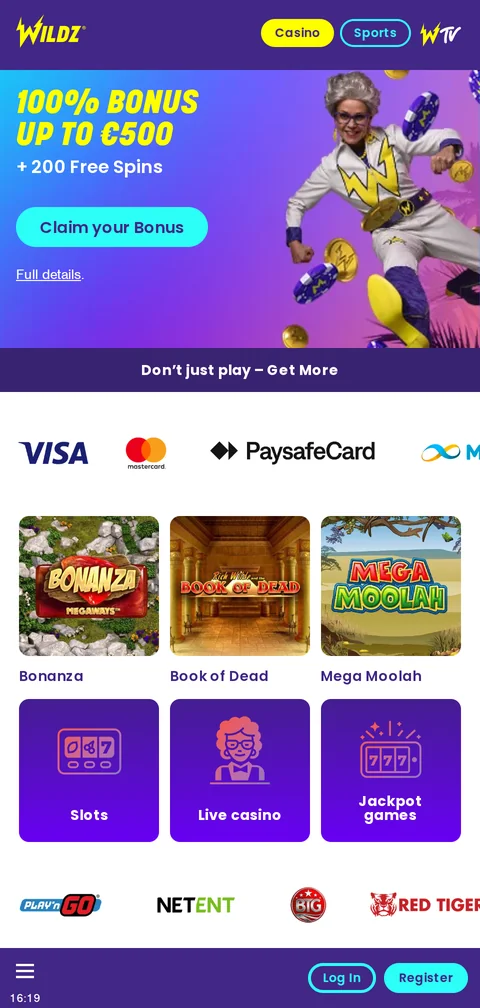
| Key Feature | Levelz progress-bar rewards |
| Welcome Bonus | Up to €1,000 + 200 free spins |
| Min. Deposit | €10 |
| Number of Games | Approximately 2,000 |
| Game Providers | Play'n GO, NetEnt, Pragmatic Play, Red Tiger |
| Payment Methods | Visa, Mastercard, bank transfer |
| Payment Services | Skrill, Neteller, MuchBetter, Payz |
| Mobile App | Browser-based, no native app |
| VIP Programme | Levelz loyalty system |
| RTP | Around 96% on most slots |
| Licence | Malta Gaming Authority (MGA) |
| Operator | Rootz Ltd (C83903) |
| Launch Date | 2019 |
| Legal Age | 18+ |


- E-wallet withdrawals via Skrill, Neteller or Payz are processed within 0-24 hours of approval
- Licence number MGA/B2C/599/2018 and company number C83903 are published on the site
- Levelz progress bar hands out free spins steadily, not only to high-stakes players
- No phone support; help runs through live chat and email only
- No Irish licence from GRAI confirmed, and wagering on the welcome package sits around 35x
Deposits from €10 by Visa, Skrill or Neteller, and e-wallet withdrawals within 0-24 hours of approval: the Wildz payments analysis sets out every limit.
Casumo Casino review
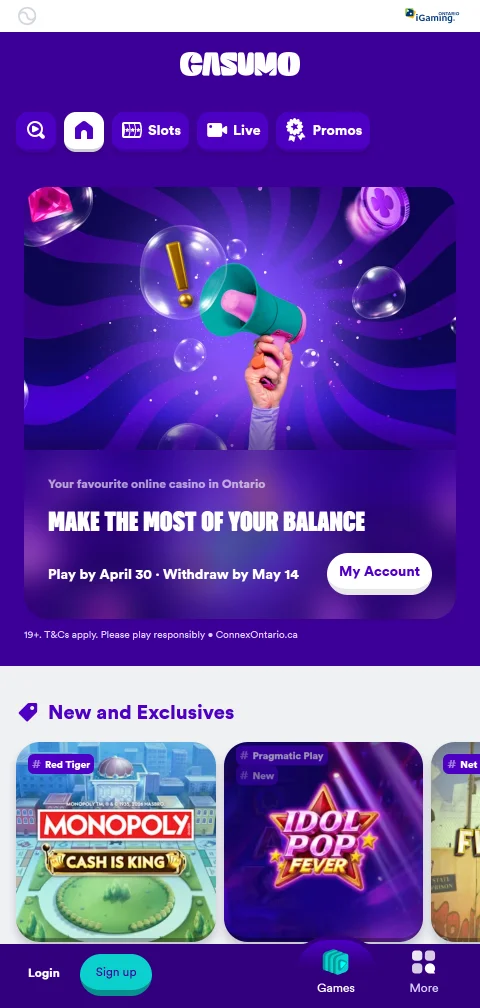
| Key Feature | Gamified Casumo platform with 5,600+ games |
| Welcome Bonus | 100% up to €300 + 50 bonus spins |
| Min. Deposit | Around €10; €20 for the welcome bonus |
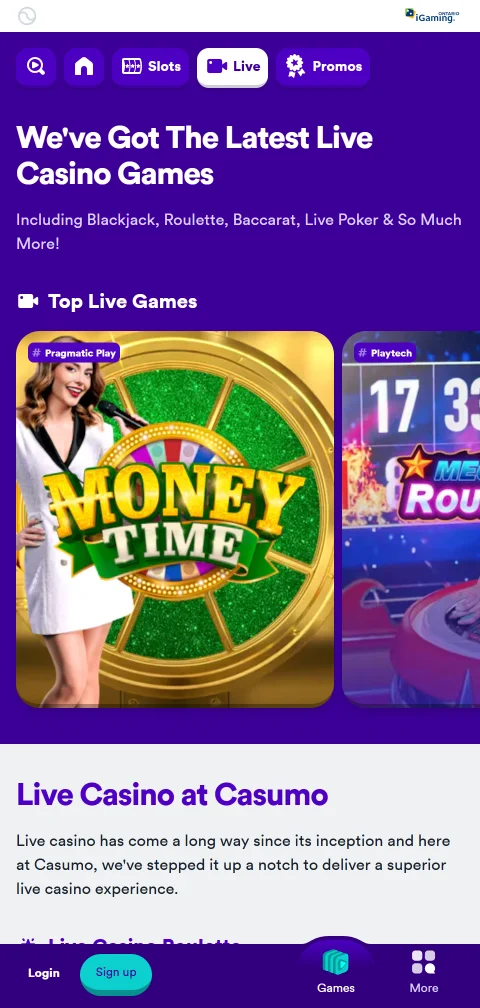
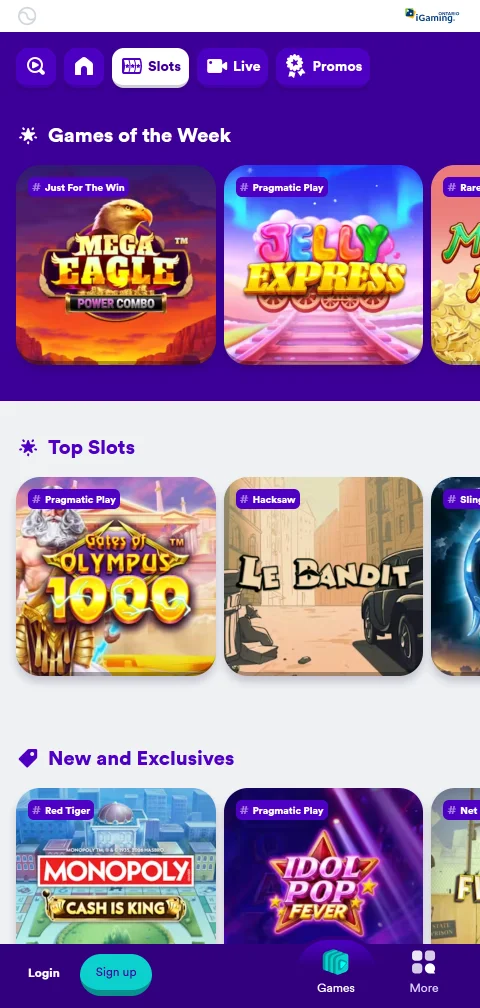
| Number of Games | 5,600+ (5,100+ slots) |
| Game Providers | Pragmatic Play, Play'n GO, Evolution, Playtech, Relax Gaming |
| Payment Methods | Visa, Mastercard, Trustly, Skrill, Neteller, Paysafecard |
| Payment Services | Cards, e-wallets, instant banking via Trustly |
| Mobile App | iOS and Android apps plus mobile browser |
| VIP Programme | Loyalty rewards; terms set by the operator |
| RTP | Approximately 96% average on slots |
| Licence | Malta Gaming Authority, MGA/CRP/217/2012-05 |
| Operator | Casumo Services Limited, Malta |
| Launch Date | 2012 |
| Legal Age | 18+ |
- Malta Gaming Authority licence MGA/CRP/217/2012-05, verifiable on the regulator's public register
- Over 5,600 games, with Pragmatic Play, Play'n GO and Evolution among the studios
- Welcome offer capped at €5 per spin, a clear and checkable limit
- 30x wagering on the welcome bonus is heavier than some rivals' 10x deals
- Withdrawal approval can take up to three days before the payment rail even starts
Withdrawals are approved within three days, then e-wallets typically pay within 0-24 hours and cards within 1-5 working days, as covered in the Casumo payments analysis.
LeoVegas Casino review
| Key Feature | Mobile-first platform with native iOS and Android apps |
| Welcome Bonus | Up to €1,000 + 200 free spins on Book of Dead |
| Min. Deposit | €10 to qualify for the welcome offer |
| Number of Games | Over 3,000 slots and table games |
| Game Providers | Evolution, Pragmatic Play, Playtech, OnAir, Stakelogic, Authentic Gaming |
| Payment Methods | Visa, Mastercard, Apple Pay, PayPal, bank transfer |
| Payment Services | PayPal, Apple Pay, Trustly (check cashier) |
| Mobile App | iOS and Android apps plus mobile browser |
| VIP Programme | Invitation-based VIP; terms not published |
| RTP | Approximately 94-97% on most slots, varies by title |
| Licence | Malta Gaming Authority, MGA/CRP/237/2013 |
| Operator | LeoVegas Gaming plc (MGM Resorts subsidiary) |
| Launch Date | Founded 2011, launched 2012 |
| Legal Age | 18+ |
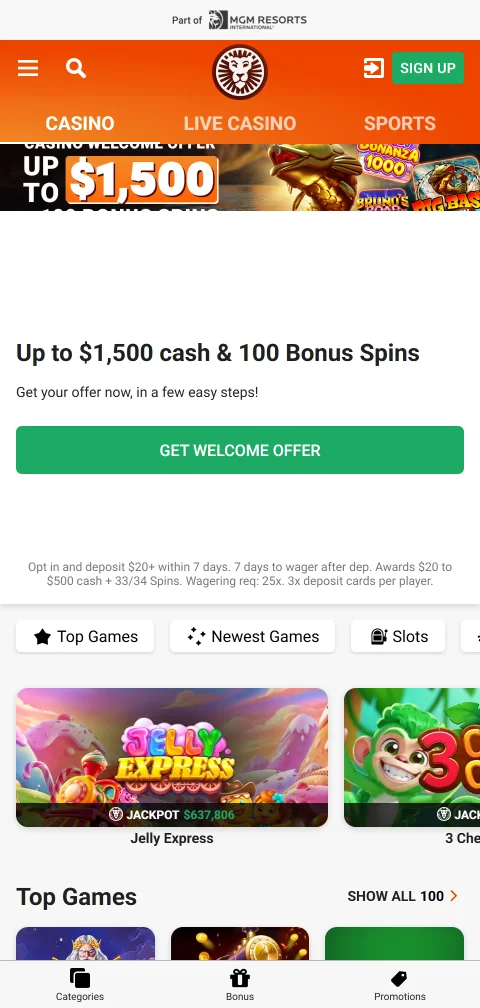
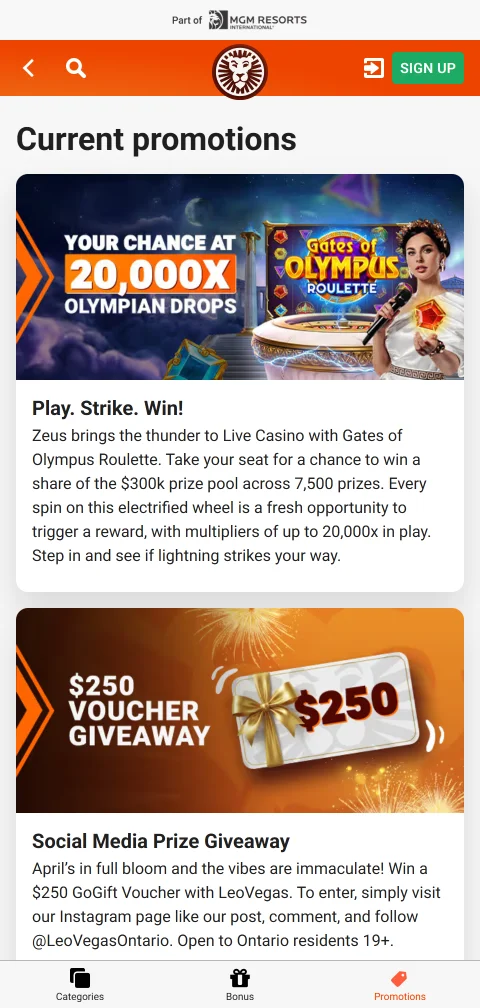
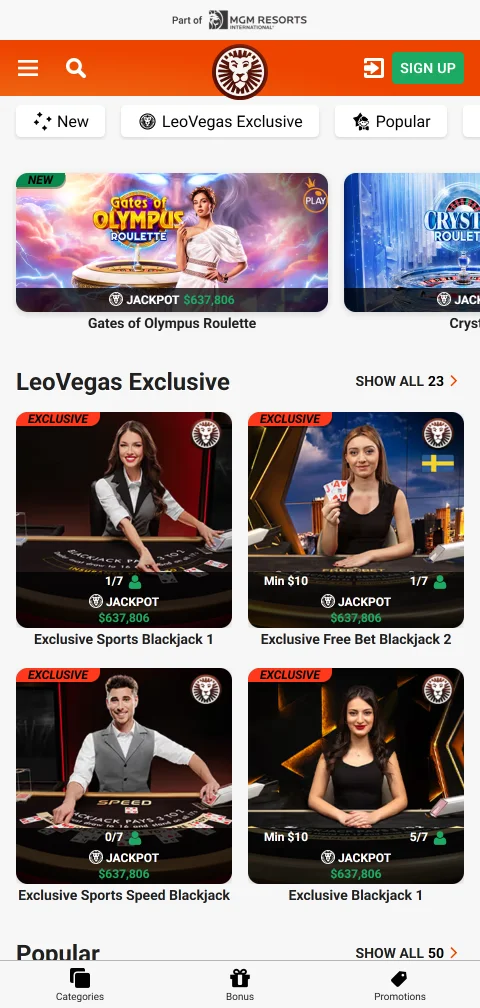
- Malta Gaming Authority licence MGA/CRP/237/2013 is printed on the Irish site's own pages
- Welcome offer needs only a €10 deposit, with 25x wagering on the cash part
- Live casino lists over 600 tables from Evolution, Playtech and Pragmatic Play Live
- Native apps on iOS and Android, and a mobile browser site that stands on its own
- Owned by MGM Resorts International since 2022, with a corporate record going back to 2011
- Irish pages state the welcome wagering as both 25x and 35x, so read the live terms
- No telephone support line; contact runs through live chat and email only
- Withdrawals can take up to five business days depending on the payment method
- No Irish GRAI casino licence yet, as online gaming licensing is phased into 2027-2028
Cards, PayPal and Apple Pay, a €10 minimum and a withdrawal window of up to five business days with no operator fees: the LeoVegas payments full analysis sets out each rule.
Wazamba casino review
| Key Feature | Jungle-themed loyalty system with collectable rewards |
| Welcome Bonus | 100% up to €500 + 200 free spins |
| Min. Deposit | €10 (€20 for the welcome bonus) |
| Number of Games | Approximately 3,000+ |
| Game Providers | Approximately 80+ studios, including Pragmatic Play and Evolution |
| Payment Methods | Visa, Mastercard, Skrill, Neteller, Revolut, Trustly, Bitcoin |
| Payment Services | MuchBetter, Jeton, MiFinity, Paysafecard, SEPA transfer |
| Mobile App | Mobile browser site, no confirmed native app |
| VIP Programme | Yes, level-based loyalty programme |
| RTP | Typically 94-97% depending on title |
| Licence | Curaçao (status unconfirmed; check official site) |
| Operator | Formerly Rabidi N.V.; current operator to be confirmed |
| Launch Date | 2019 |
| Legal Age | 18+ |



- Euro-denominated account with Revolut, Trustly and SEPA among the cashier options for Irish players
- No withdrawal fees listed, with a €10 minimum cashout and €20,000 monthly ceiling
- Separate crypto welcome package for players who prefer Bitcoin, Ethereum or Litecoin
- Licence position unclear after Rabidi N.V.'s 2024 bankruptcy and the revocation of its Curaçao licence
- 35x wagering on deposit plus bonus, and Skrill or Neteller deposits are excluded from the offer
Euro accounts, Revolut, Trustly and SEPA, a €10 minimum withdrawal and a €20,000 monthly cap: our Wazamba payments analysis reads the three-business-day processing window.
Nomini Casino review
| Key Feature | Casino and sportsbook on one account |
| Welcome Bonus | 100% up to €500 + 200 free spins |
| Min. Deposit | €10 on most methods |
| Number of Games | Approximately 3,000+ titles (unconfirmed) |
| Game Providers | Not published in full; approximately 50+ studios |
| Payment Methods | Visa, Mastercard, bank transfer, crypto |
| Payment Services | Skrill, Neteller, MiFinity, Jeton, CashtoCode |
| Mobile App | Browser-based mobile site, no confirmed native app |
| VIP Programme | VIP levels, challenges and tournaments |
| RTP | Typically 94-97% depending on the title |
| Licence | Offshore (Anjouan reported; verify on site) |
| Operator | Reported as Araxio Development N.V. / Casolinia Group |
| Launch Date | 2019 |
| Legal Age | 18+ |


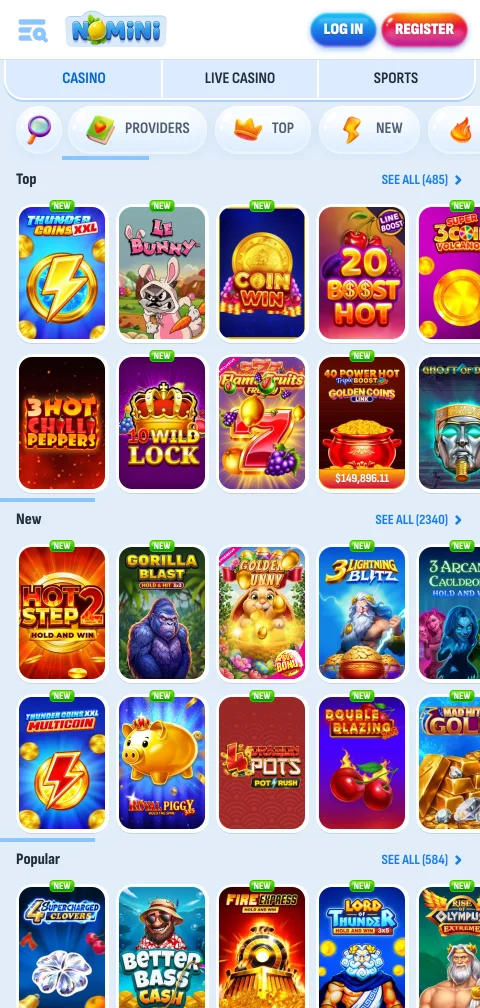
- Welcome package of 100% up to €500 plus 200 free spins on the first deposit
- Low €10 minimum deposit across cards, e-wallets and most crypto options
- Crypto rails including Bitcoin, Litecoin, Ethereum and XRP sit alongside cards and e-wallets
- Casino and sportsbook share one wallet, so you move between them without transfers
- Spins drip in at 20 per day over ten days rather than all at once
- Offshore licence only; Irish players get no protection from an Irish or EU regulator
- At least one Irish comparison site lists the brand as no longer operating in Ireland
- Withdrawals capped at €500 per day and €7,000 per month, with no weekend processing
- Wagering of 35x on bonus plus deposit within ten days is demanding for most players
Withdrawals run three to five days end to end, capped at €500 a day and €7,000 a month, with no weekend processing. Skrill, Neteller, MiFinity and crypto rails including Bitcoin and Tether are compared in the Nomini Casino payments analysis.
How we ranked these non-sticky bonus casinos
The ranking is built from published terms: the bonus clauses, the payment pages and the licence on record, compared against what support confirms in writing. Affiliate payments do not move a placing, and neither does the headline size of a match bonus.
Non-sticky terms and their real cost
A placing rises when the terms state plainly that your cash is played first and that you may withdraw before touching bonus funds. Wagering of 35x the bonus or less and a €5 maximum bet help. Wagering on deposit plus bonus, or vague wording about the order of funds, pulls a casino down.
Payout speed on the cash balance
What matters is whether a cash-only withdrawal goes through without the bonus blocking it. A stated processing window of 24 hours or less raises a placing. A casino that freezes the whole balance once a bonus is active drops.
Games that count towards wagering
Slots at 100% weighting with a published list of excluded titles score well. A placing falls when table games count at 10% or less without saying so up front, or when high-RTP slots are banned from bonus play in a clause buried below the fold.
Mobile use and the bonus balance display
On a phone you need to see your cash and bonus balances as two numbers, along with the wagering left to do. A lobby that shows them separately, and lets you decline or forfeit a bonus in two taps, ranks higher; one merged balance figure ranks lower, because it hides the exact point at which you stop playing your own money and start playing theirs.
Licence details and Irish inducement rules
We record each casino’s licence number and regulator, and match it against that regulator’s public register. A placing rises when bonus terms are published in full before sign-up and deposit limits can be set at registration. It falls when the licence cannot be matched, or when offers arrive as targeted messages of the kind the Gambling Regulation Act 2024 restricts once its inducement rules apply.
Customer support on bonus questions
We put the same question to each support team: can I withdraw my cash winnings before using the bonus, and what happens to the bonus if I do? A clear written yes with the clause quoted raises a placing. An answer that contradicts the published terms, or no answer at all, lowers it.

What makes a casino bonus non-sticky
A non-sticky bonus, sometimes sold as a parachute or hybrid bonus, keeps two balances on your account: the cash you deposited and the bonus the casino added. You play the cash first. The bonus only comes into use once your cash balance hits zero.
That order changes everything. If your €100 deposit turns into €400 before the bonus is touched, you can usually withdraw the €400 and let the bonus be forfeited, with no wagering owed on the cash.
With a sticky bonus, the two pots are merged from the first spin. The bonus can never be withdrawn, wagering applies to the lot, and when you finally cash out the bonus amount is deducted from what you take home. A sticky €100 bonus on a €100 deposit means that a €400 balance at the end of wagering pays out €300 at most.
So the question to ask of any offer is not how large it is. It is which money you are playing at each moment, and what the casino can claw back if you stop.
The clause that decides it
Casinos rarely use the word “non-sticky” in their terms. What you look for is wording along the lines of “real money balance is wagered before bonus funds” and “you may withdraw your real money balance at any time, which will forfeit any active bonus”. If both sentences are there, the bonus works as described on this page. If you find “bonus funds and deposit are subject to the wagering requirement” instead, the deposit is locked in alongside the bonus, whatever the promotion banner says.
What wagering costs on a non-sticky offer
Wagering is a multiplier, and the base it multiplies matters as much as the number. 35x the bonus on a €100 bonus is €3,500 of bets. 35x deposit plus bonus on the same offer is €7,000, twice the turnover for an identical headline.
The non-sticky structure means you only start paying that bill once your own cash is gone. Until then, you are a cash player with an option attached.
That option has a price, though, and it shows up in the expected loss. On slots with a 96% RTP, the house keeps about 4% of turnover on average. €3,500 of wagering therefore costs around €140 in expected losses, which is more than the €100 bonus is worth. At 20x the bonus, the same arithmetic gives €2,000 of bets and roughly €80 of expected loss, and the bonus is ahead on paper. These are averages over very long play rather than predictions of any single session, but they tell you which offer is worse.
The table below sets out how the same €100 deposit and €100 bonus look under six common term sets.
| Terms on €100 + €100 | Total wagering | Expected loss at 96% RTP |
|---|---|---|
| 20x bonus | €2,000 | about €80 |
| 30x bonus | €3,000 | about €120 |
| 35x bonus | €3,500 | about €140 |
| 40x bonus | €4,000 | about €160 |
| 20x deposit + bonus | €4,000 | about €160 |
| 35x deposit + bonus | €7,000 | about €280 |
Caps, maximum bets and bonus deadlines
Wagering is the cost you can see. The three clauses below decide how much of a bonus win you ever see in your bank account, and each applies only once the bonus balance is in play.
Maximum bet
A typical clause reads: “While a bonus is active, the maximum bet is €5 per spin or round.” Break it once and the casino can void the bonus and every winning made with it. On a non-sticky offer this rule usually starts when the bonus becomes active, which is the moment your cash runs out, so check whether the casino applies it from deposit instead. Some do, and that takes away much of the point of playing cash first.
Cap on bonus winnings
“Maximum withdrawal from bonus winnings is 10x the bonus amount” turns a €100 bonus into a €1,000 ceiling. A €3,000 win on bonus funds pays €1,000, and the rest is removed. A cap of 5x is worse again.
On a well-written non-sticky offer the cap touches bonus winnings only, never what you won on your cash.
Deadlines
Seven days to clear €3,500 of wagering is €500 of bets a day. Thirty days is closer to €117 a day. A short deadline does not change the house edge, but it pushes you to play faster and longer than you planned, and an unmet deadline forfeits the bonus and anything won on it.
Sticky against non-sticky, clause by clause
Both structures can carry the same multiplier and the same headline amount. What separates them is what happens on the way out.
The comparison below runs the two side by side on the points that cost you money, with the better structure marked for each. A sticky bonus wins on one point only, and that point favours players who were going to wager the full amount regardless.
Non-sticky bonus | Sticky bonus |
|---|---|
| Your cash is played first and stays withdrawable | Cash and bonus are merged and locked together |
| An early win on cash can be withdrawn in full | An early win is held until all wagering is done |
| Bonus is forfeited if you withdraw before wagering | Bonus amount is deducted at cash-out |
| Bonus only helps once your cash balance is gone | Bonus adds to your balance from the first spin |
| Wagering, max bet and caps apply to bonus play | Wagering, max bet and caps apply to everything |
Reading a non-sticky offer before you deposit
Most of the cost of a bonus is decided before you deposit, in the terms you accept by ticking a box. Reading them takes ten minutes and the order matters, because one clause can make the rest irrelevant.
What I check first is whether the order of funds is written down at all. A promotion page saying “non-sticky” is marketing; the general bonus terms are the contract, and where the two disagree the terms win.
Six checks on a non-sticky bonus
Work through these in order, and stop at the first one that fails. Each step points to a clause you can find in the bonus terms or confirm with support in writing.
- Step 1
Find the order of funds clause
Look for wording that says real money is wagered before bonus funds. If the terms say nothing about order, ask support and keep the written reply before you deposit. - Step 2
Confirm withdrawal before bonus play
The terms should say you may withdraw your cash balance at any time and that doing so forfeits the bonus. Any fee or hold on that withdrawal is a warning. - Step 3
Work out the wagering in euro
Multiply the requirement by the right base. 35x the bonus on €100 is €3,500 of bets; 35x deposit plus bonus doubles it to €7,000. - Step 4
Check when the maximum bet starts
Find the stake limit and note whether it applies from deposit or only once bonus funds are active. A limit applied from deposit removes most of the advantage. - Step 5
Read the cap and excluded games
Note any cap on bonus winnings as a multiple of the bonus, and the list of games that count at reduced weight or not at all. - Step 6
Set a deposit limit first
Before claiming anything, set a daily or weekly deposit limit in your account settings. Bonus deadlines push play faster, and the limit stays in place either way.
Game weighting and excluded slots
Game weighting decides how much of each bet counts towards wagering. At 100%, a €2 spin clears €2. At 10%, a €2 hand of blackjack clears 20 cent, so €3,500 of wagering becomes €35,000 of blackjack stakes.
On a non-sticky offer, weighting matters only once you are playing bonus money. While you are on cash, you can play whatever the casino allows and the bonus waits.
Once the bonus is active, the excluded list is the clause most players miss. A line such as “the following games do not contribute to wagering and may not be played with bonus funds” often names high-RTP slots and anything with a bonus-buy feature. Playing one of those games with bonus funds can void the bonus and its winnings, even when the lobby lets you open the game. Live casino and table games are frequently weighted between 0% and 10%, and some terms ban low-risk betting patterns on roulette outright.
If a slot you like is on the excluded list, the bonus is not built for the way you play.
Bonus rules for Irish players now
The Gambling Regulation Act 2024 set up the Gambling Regulatory Authority of Ireland, which licenses and supervises gambling in the State. Licences are being rolled out in phases, and online casino gaming is licensed in a later phase than betting.
Until remote gaming licences are issued to casinos, the sites Irish players use for casino games operate on licences granted elsewhere, so the bonus terms you accept are set by that operator and that regulator.
The Act’s approach to inducements is worth knowing. It allows offers made to the general public, subject to regulations the GRAI can make, and prohibits inducements aimed at a specific person or group. Once those provisions apply to a licensed operator, a bonus sent to you personally because you stopped playing, or because you follow a particular team, falls on the wrong side of that line. A non-sticky welcome offer published on a promotions page for every new customer is the kind of general offer the Act leaves room for.
The Act also bans gambling with credit cards and requires licensees to give customers ways to set monetary limits.
When to turn down the bonus
Declining is a legitimate choice, and on many offers it is the cheaper one. Most casinos let you opt out at the deposit screen; some require you to tell support before you play.
Turn it down when wagering runs on deposit plus bonus, because the cash-first advantage is mostly gone at €7,000 of turnover on a €100 offer. Turn it down as well when the maximum bet applies from deposit, or when the games you play are weighted at 10% or excluded.
And turn it down if you already know you will keep playing after a win. The non-sticky structure only pays off for a player who will actually withdraw an early win and forfeit the bonus; if you would have played on regardless, you are taking on sticky-style wagering with an extra rule attached.
A bonus you do not need costs nothing to refuse.
Keeping bonus play within your limits
A bonus deadline is designed to keep you playing, so set your limits before you claim one rather than after. Every casino listed here lets you set deposit limits in your account settings, and most also offer loss limits, reality checks that show how long you have been playing, and a cooling-off break of a day or more.
If you want to stop for longer, self-exclusion with the operator closes your account for a set period. The National Gambling Exclusion Register, run by the GRAI, is designed to let one request cover every licensed operator once it is in operation.
If gambling has stopped being something you control, talk to one of the helplines listed below. The call is confidential and free.
The one clause that decides a non-sticky bonus
If you remember a single thing from this page, make it the order of funds. A bonus that lets you withdraw cash winnings before touching the casino’s money is a different product from one that locks both together, whatever the headline figure. The terms of the offers listed here were last checked on 29 September 2026; a casino moves down the list the moment its wording on withdrawal before bonus play changes. This page does not cover sports betting offers, which follow their own rules.
Questions about non-sticky casino bonuses
What is a non-sticky casino bonus?
It is a bonus kept in a separate balance from your deposit. You play your own cash first, and the bonus is only used once that cash is gone. If you win before touching the bonus, you can usually withdraw the winnings and the bonus is simply forfeited.
Is a non-sticky bonus the same as a parachute bonus?
Yes, in most casinos the two names describe the same structure, and “hybrid bonus” is used too. The label does not matter much. What matters is the clause stating that real money is wagered before bonus funds and that your cash can be withdrawn at any time.
Do I have to meet wagering if I win on my cash?
Not on a true non-sticky offer. Wagering is attached to the bonus, so a withdrawal made before bonus funds are used forfeits the bonus and owes nothing. Some casinos also put the deposit under wagering, and in that case your cash is locked until the requirement is met.
How do I work out the cost of the wagering?
Multiply the requirement by its base. 35x a €100 bonus is €3,500 of bets. Then multiply the turnover by the house edge: on 96% RTP slots, about 4% of €3,500 is roughly €140 in expected losses. If that exceeds the bonus, the offer is worse than playing without it.
Does the maximum bet rule apply while I play my cash?
It depends on the wording. Many casinos apply the stake limit only while a bonus is active, which on a non-sticky offer begins once your cash runs out. Others apply it from the moment you claim. Check the clause, and ask support in writing if it is unclear.
Can I cancel a non-sticky bonus after claiming it?
Usually, yes. Most casinos let you forfeit an active bonus from your account page or through support. Forfeiting removes the bonus and any winnings made with bonus funds, while your remaining cash balance stays yours. Read the forfeit clause first, because a few operators remove cash winnings too.
Are casino bonuses restricted in Ireland?
The Gambling Regulation Act 2024 allows inducements offered to the general public and prohibits those targeted at specific people or groups. These obligations apply to operators once they hold a GRAI licence, and casino gaming licences come in a later phase than betting licences.
More about online casinos







Look first at the wagering base on each card, not the multiplier. 35x the bonus and 35x deposit plus bonus look alike at a glance and differ by €3,500 on a €100 offer.